One of the biggest innovations in business and technology is marketing automation. Previously reserved for well-funded enterprises, marketing automation is now accessible to small businesses, thanks to affordable cloud solutions. Here are five profitable benefits to automating some of your most mundane marketing tasks.
Why should you automate SMB marketing?

How to prevent security breaches in Office 365

Office 365 is a tried-and-tested subscription service that enables businesses to save countless hours doing repetitive and manual work. With its programs such as Word, Excel, PowerPoint, OneDrive, and Teams, among many others, the platform allows users to access documents on mobile devices, organize teamwork, and analyze work activities.
How to make buyers out of Instagram followers

Instagram has become one of the most popular social networks to date. One billion active users consume its image-heavy content every day. Aside from it being a photo-sharing app with fun filters, Instagram has demonstrated its capability to turn your followers into customers.
Tips for safeguarding business data

You can’t afford to lose business data. It takes away the trust of your clients, leading to loss of revenue. Cybercriminals are here to stay, so it’s more important than ever to utilize tight security measures to keep your business data safe. Still, some hackers may have advanced cracking skills, or are really determined to break into your network, so it’s a good idea to use the following methods for safeguarding your corporate data.
VoIP and remote work: The perfect combination

Voice over internet protocol (VoIP) phone systems give employees the freedom to make and receive calls from any location. More importantly, a good VoIP solution allows you to enable work-at-home arrangements that will keep your workers happy and your company productive.
Let Office 365 help you save the date

Arranging meetings that work with everyone’s schedules is a pain — especially if participants don’t work in your office. A calendar that is easy to share publicly simplifies everything from scheduling calls with clients to quarterly meetings with business partners.
Is your business prepared for hurricanes?

In 2017, Hurricane Harvey hit Texas and certain parts of Louisiana the hardest. In the same year, Hurricane Irma devastated companies in Florida, Georgia, and South Carolina. During uncertain times, a disaster recovery (DR) plan is what saves companies from power outages and massive revenue losses.
9 Cybersecurity terms you need to know

Cybersecurity is everyone’s responsibility. But you don’t need to be an IT expert to know how to protect yourself from a cyberattack. To help you get started, here are helpful terms you need to know so you’re not left in the dark, whether you’re teaching yourself how to update your anti-malware, updating your systems, or consulting your tech support.
5 Ways to benefit from VoIP phones
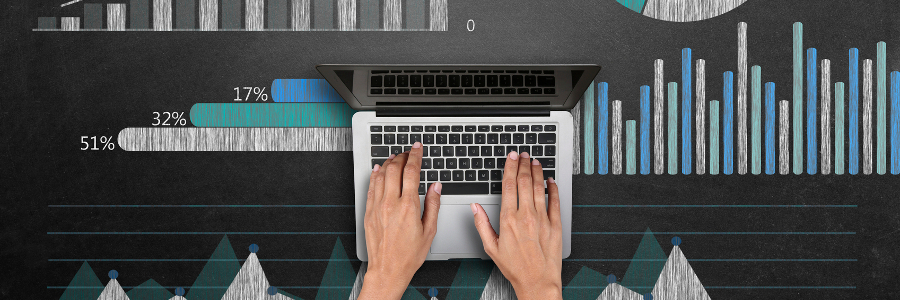
If you’re making or receiving Voice over Internet Protocol (VoIP) calls, you may gather a lot of valuable data without knowing it. Whether you’re still getting accustomed to your new telephone system, or you’re simply unaware of your VoIP data, here are five things you can do to benefit from it.
Choose the best Office 365 plan

Office 365 has become the go-to all-in-one tool for businesses in recent years. With different Office 365 plans — Business, Business Premium, Enterprise E1, E3, and E5 — you can have a set of services and features that are perfect for your business.